

How to Prepare for a Mosquito Lagoon Fly Fishing Charter
By Capt. Chris Myers — Central Florida Sight Fishing Charters
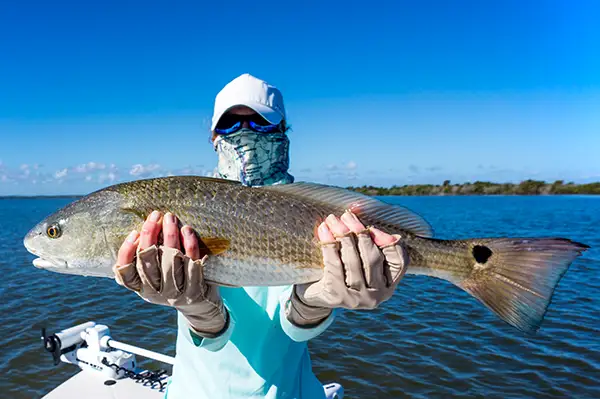
Mosquito Lagoon is one of Florida’s best shallow-water fisheries, known for sight-casting to redfish, trout, black drum, and seasonal tarpon on shallow flats. A little preparation goes a long way toward making your charter smooth, safe, and productive. Use this checklist to arrive ready, cast confidently, and maximize time on fish.
What to Bring (and What Your Guide Provides)
1)Rods and Reels
Depending on the time of year and the average size of the fish, rods can range from 5 to 10wt. Usually a 7 or 8wt will cover most situations.High-quality fly rods, reels, lines, leaders, and flies are typically provided on guided trips. If you prefer to bring your own gear, see the recommendations below. Any guide who cannot provide equipment is likely not a dedicated fly fishing guide. Ask in advance instead of getting surprized at the ramp
2) Leaders & Flies That Work on the Lagoon
- Leaders: 9–12 ft leaders, typically 12–20 lb class tippet. Longer leaders and stealthy presentations help in clear, shallow water. Leaders can be mono or fluorocarbon
- Flies: Shrimp and crab patterns (e.g., Kwan, EP-style crustaceans), small baitfish, and sliders. Weed guards are valuable as grass is almost always present, both on and beneath the surface. Pack natural colors (tan, olive) with a couple of darker profiles for low light.
- Hooks: Barbless or pinched barbs speed releases and are safer on the skiff.
3) Casting Prep: The One Skill That Changes Your Day
Sight fishing rewards quick, accurate shots with minimal false casting. Before your trip, practice 20–50 ft presentations that unroll low and straight. Work on:
- Pick-up and deliver: From line on the water to a single back cast and a crisp forward delivery.
- Accuracy at clock angles: Have a friend call targets (e.g., “11 o’clock at 35 feet”) and deliver within a hula-hoop circle.
- Wind control: Backhand/off-shoulder casts and slightly wider loops for cross-wind stability.
- Quiet pickups: Lift smoothly to avoid ripping the line and spooking fish in skinny water.
If you need a tune-up, consider a private fly-casting lesson before your charter.
4) Clothing Strategy for Florida Conditions
- Layer smart: Light base layer + breathable sun shirt. In cooler months, add a thin fleece and windbreaker.
- Rain shell: Afternoon showers happen; a packable jacket keeps you fishing through squalls.
- Gloves: Lightweight sun gloves protect hands from line burn and UV on long days.
5) Boat Etiquette That Keeps You on Fish
- Deck readiness: Keep the maxiumum amount of line you will need stripped out neatly in the cockpit, basket, or line mat. Clear snag points (bags, loose straps).
- Communication: Your guide will call shots using a clock system and distance. Point your rod immediately so you’re on the same target.
- Quiet moves: Step, don’t stomp. Lay line softly. Place gear; don’t drop it.
- Hook management: De-barb before fishing. Hold the fly at the bottom of the J.
- Fish care: Keep fish wet, support horizontally, quick photos, and gentle releases.
6) Licenses, Access, and Timing
Any legitimate Mosquito Lagoon Fishing charter covers client licensing . If your guide says you must buy your own, run away - fast. Mosquito Lagoon guides fishing inside the Wildlife Refuge also must have a federal permit. If your boat is stopped for a routine check and your guide does not have one, the trip will be over. Mosquito Lagoon spans protected areas with specific access rules and speed zones; your guide will handle route planning and permits. Morning starts usually offer the best light and wind window. If weather pushes your trip, be flexible. Calm, sunny conditions make sight fishing far more productive.
7) The Night-Before Checklist
- Lay out sun gear, sunglasses, and non-marking shoes.
- Charge phone/camera; clear storage for photos.
- Pack snacks, water, and any medications.
- Review wind forecast and practice a few off-shoulder casts in the yard.
8) Common First-Timer Mistakes (and Fixes)
- Too many false casts: Practice a pick-up-and-deliver. Fish move—speed beats perfect loops.
- High, collapsing loop: Drive the rod tip on a straight path; stop crisply to unroll low over the water.
- Line chaos on deck: Strip into a single pile or onto a line mat; keep coils away from cleats and shoe laces.
- Overpowering short shots: For 20–30 ft, shorten the stroke and soften the stop.
- Doing a "trout set": Strip-set with the line hand; keep the rod low until the fish is tight.
Book Your Trip
Ready to put it together on the flats? Mosquito Lagoon fly fishing guide Capt. Chris Myers is an FFI certifired fly casting instructor and has 20yrs of guiding experience. Call or book your charter today.
Quick FAQ
Do I need to bring my own fly rod?
Quality outfits are available on board. Bring your own if you prefer a specific taper or grip.
What weight fly line works best?
Floating lines in 7–9 wt with a slightly aggressive taper help turn over in wind and deliver quick shots.
What if it’s windy or cloudy?
We’ll adapt with heavier rods, bigger leaders, and different angles. If conditions won’t allow effective sight fishing, we’ll discuss rescheduling options.