Light Tackle Spinning & Fly Fishing Trips
Year Round Private Fishing Tours
November 23, 2025- The fishing for tailing redfish in the Mosquito Lagoon is on fire with action as good as it gets. Watch this video of recent charters. Schools of happy fish for both fly and spin fishing anglers. Book your trip today before the calendar fills up!
I offer light tackle and fly fishing charters for redfish in the Mosquito Lagoon. It is one of the last undeveloped coastal regions along the east side of Florida. This is the premiere destination for sight fishing for redfish in Florida. My Mosquito Lagoon fishing charters are run year round. I spend more time fishing here each year than anywhere else.
Mosquito Lagoon is famous for shallow-water sight fishing, and my charters focus on stalking redfish,seatrout, tarpon, snook, and drum on the flats with fly or light tackle year round.
You can choose from two types of charters:
Questions or ready to book?
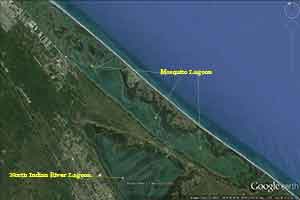
All licenses & tackle providedNot only does Mosquito Lagoon offer great year round fishing, it is also a place of natural beauty. This 21 mile long lagoon begins at Ponce Inlet to the north, bordered by Daytona Beach and New Smyrna Beach.
In the upper reaches, there is a small tidal influence and the waters are generally stained. As you travel south, near the town of Oak Hill, the maze of islands give way. From Oak Hill south, there is no tidal influence in the mostly open body of water just over two miles wide. The bottom is sand with shallow areas mostly covered in manatee and shoal grass.
See live action Mosquito Lagoon Fishing Charter.
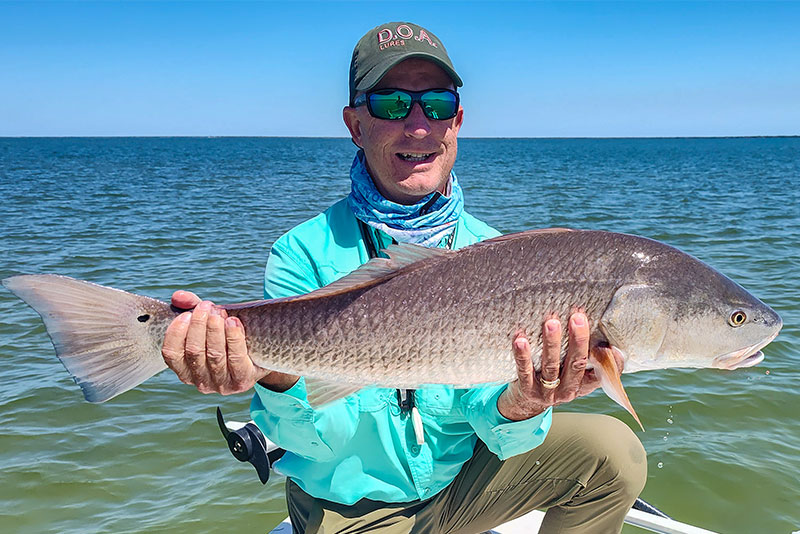
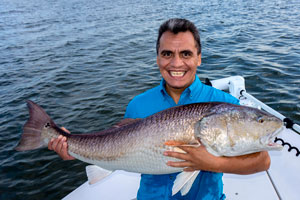
The redfish, or red drum, is the king of Mosquito Lagoon. These fish live in our waters year round and can be caught every day of the year. The Mosquito Lagoon and north Indian River Lagoon are the only places in the world where redfish live their entire lives inshore. This means that on any trip, you have the chance to catch a full grown redfish over 20 pounds. Fish topping 35 pounds are not uncommon.
The average Mosquito Lagoon redfish is from 22-27 inches and are normally caught in less than two feet of water. Light tackle spinning or flyrods are used to target these fish. They will eat a wide variety of artificial lures and baits. They are often spotted by looking for "tailing fish" that are feeding in the shallow grass.
These grass flats are what make Mosquito Lagoon, or Mosquito Bay, as it is often mistakenly called, a great place to fish. They are home to shrimp, crabs, clams, snails, marine worms, and a multitude of baitfish. These food source holds redfish, spotted seatrout, and black drum year round.
You have the chance to catch redfish in excess of 30 pounds any day of the year. In the summer months, one may encounter tarpon from 5 to 100 pounds, along with snook, ladyfish and jack crevalle. Despite the scary sounding name, there are no mosquitoes or bugs bothering us while fishing.
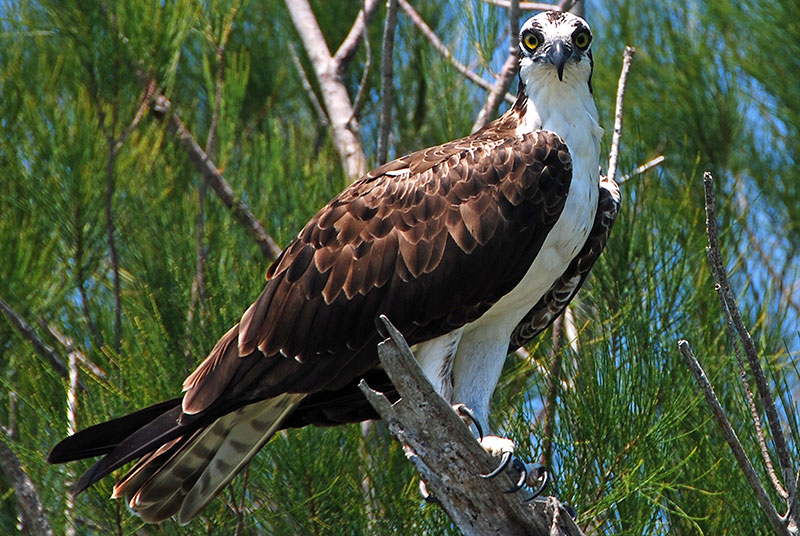
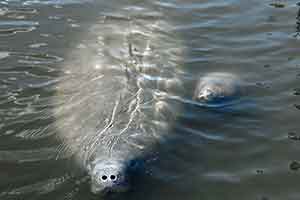
There is always something to see in Mosquito Lagoon and the surrounding Merritt Island National Wildlife and Canaveral National Seashore. These two federal refuges serve as a buffer for the Kennedy Space Center and have prevented development. As a result, the Mosquito Lagoon has remained much like it was in the past. In addition to the fishing, you can also view the variety of wildlife the lagoon and refuge have to offer. Giant manatee can be seen daily spring through fall. Bottle nose dolphin call Mosquito Lagoon their home year round and can often be seen in less than 2 feet of water searching for a meal. Sea-turtles, stingrays, and a wide range of wading and predatory birds live here as well.
The redfish, or red drum, is the king of Mosquito Lagoon. These fish live in our waters year round and can be caught every day of the year. The Mosquito Lagoon and north Indian River Lagoon are the only places in the world where redfish live their entire lives inshore. This means that on any trip, you have the chance to catch a full grown redfish over 20 pounds. Fish topping 35 pounds are not uncommon. The average Mosquito Lagoon redfish is from 22-27 inches and are normally caught in less than two feet of water. Light tackle spinning or flyrods are used to target these fish. They will eat a wide variety of artificial lures and baits. They are often spotted by looking for "tailing fish that are feeding in the shallow grass.
Travel to the Mosquito Lagoon takes about one hour from the Orlando, Disney, and Kissimmee area. From that region, I meet my clients in Titusville and have them follow me into the wildlife refuge. It is about a 30 minute ride from Daytona Beach, Ormond Beach and Cocoa Beach. From New Smyrna Beach redfish charter it is around a 30 minute drive. In order to legally fish in the waters of Mosquito Lagoon which are inside the wildlife refuge and national seashore, guides must have a permit from the US government. Guides who have this permit are required to prove they have a license and insurance. many guides advertise Mosquito Lagoon on their website and then pull a bait and switch tactic telling customers the fishing is better elsewhere because they do not possess a permit. If you want to fish Mosquito Lagoon proper, you can check if your fishing guide is listed on the Merritt Island national Wildlife Refuge permitted guides list.
Questions or ready to book?
All licenses & tackle providedMosquito Lagoon Fishing Guide Capt. Chris Myers provides fly fishing trips and light tackle flats fishing charters near Orlando, New Smyrna Beach and Daytona Beach for redfish, black drum, and spotted seatrout all year long. I provide all licenses baits and tackle on your fishing charter. If you want to fish the Lagoon on your own, you would need a state license and a free federal self issuing permit.
© Central Florida Sight Fishing Charters.