

Where to Go Saltwater Fishing Near Orlando & Disney
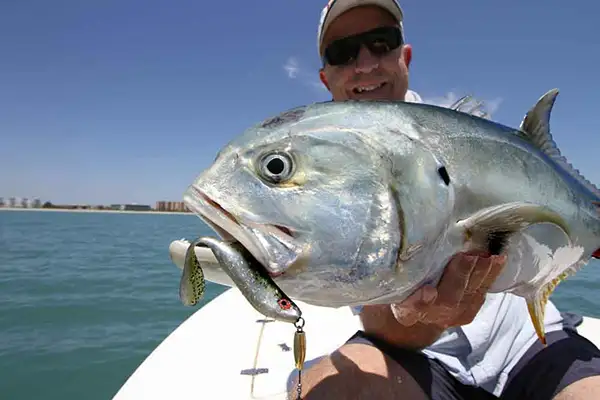
You don’t need to drive far to find great saltwater fishing on a Central Florida vacation. Head east of Orlando toward the Space Coast and you’ll hit a string of inshore lagoons, inlets, beaches, and offshore reefs that you can fish year-round. Here’s a practical guide to what’s close, what species to expect, and when to plan each type of trip.
Quick Orientation: How Far & What’s There
From the Orlando/Disney area, most saltwater launches on the Atlantic side are 45–90 minutes away. Working north to south:
- Ponce Inlet & New Smyrna Beach
- Mosquito Lagoon (New Smyrna, Titusville, Oak Hill; also via Canaveral National Seashore)
- Indian River Lagoon (Titusville, Cocoa, Melbourne)
- Banana River (Merritt Island/Cocoa Beach)
- Port Canaveral & Cocoa Beach (nearshore & offshore access)
These zones cover inshore flats and creeks, surf and nearshore beach runs, and offshore trolling or bottom fishing over natural ledges and artificial reefs.
Inshore: Lagoons, Flats & Backwaters
Mosquito Lagoon
A shallow, grass-flat estuary inside the Canaveral National Seashore, Mosquito Lagoon is famous for sight-fishing. Here, redfish (red drum), spotted seatrout, black drum, seasonal snook,can be caught year round from shore, boats or paddle craft. Clear winter water and skinny-water poling make this the classic “see them before they see you” sight fishing fishery. Launch options span from Edhewater to the north to Biolab Boat ramp inside the Merritt Islando National Wildlife Refuge.
Best seasons:
Winter–spring: Clear water, great sight-fishing for redfish/black drum on sunny, calm mornings.
Late spring–early fall: More bait, more snook, dawn topwater trout, and tailing reds when water’s right.
Summer: Early starts to beat heat; afternoon sea breeze often kicks up. Most variety, tarpon and snook around.
Indian River Lagoon
Broader than Mosquito Lagoon in many parts, the Indian River Lagoon (IRL) around Titusville, Cocoa, and Melbourne features flats, spoil islands, mangrove shorelines, and man made canals. It fishes very similarly—reds, trout, drum, snook—with extra options around bridges and deeper edges when winds or water clarity make sight-fishing tougher.
Best seasons: Year-round with patterns shifting by temperature and bait.
Spring–early summer: Active topwater trout at dawn, reds cruising edges.
Fall: Bait migrations spark mixed-bag action.
Winter: Target black drum and quality trout on warmups; fish slower and deeper when it’s cold.Tailing redfish up shallow
Banana River
The Banana River (Merritt Island/Cocoa Beach) offers protected water when the Atlantic is rough. Expect redfish, trout, black drum, jacks, and seasonal snook around mangroves and residential docks. The Canaveral Lock connects the Banana River to Port Canaveral for boaters.
Best seasons: Spring through fall sees the most variety; winter can still be productive on sunny, warming afternoons.
Ponce Inlet & New Smyrna Beach
The northern end of Mosquito Lagoon reaches up to south New Smyrna Beach. It is a maze of island channels and creeks offering protection from the wind and a wide variety of fish. This is a great zone for beginning anglers or kids. fishing with shrimp weighted to get it near the bottom in the current results in large catching numbers
For anglers who like current, Ponce Inlet mixes inshore and inlet fishing: jetties, tide rips, and back-bay creeks. Expect snook (warm months), redfish, flounder, sheepshead (cool months), and tarpon when bait is thick.
Best seasons:
Spring–fall: Inlet action with bait runs; snook and tarpon peak in warmer water.
Winter: Sheepshead and drum on structure; trout in nearby creeks.
Surf & Nearshore: Beaches and Bait Pods
New Smyrna Beach, Cocoa Beach, Playalinda & Canaveral National Seashore
When surf conditions are moderate, beach anglers catch pompano (cooler months), whiting, bluefish, Spanish mackerel, and redfish, sharks, jack crevalle, and much more A long rod with sand-spike, pompano rigs, and fresh sand fleas or shrimp covers most scenarios. Cut mulley or other baitfish work better for sharks and other toothy fish. Dawn and dusk usually out-produce.
Best seasons:
Late fall–spring: Pompano and whiting runs with northerly cold fronts.
Summer: Spanish mackerel, jacks, and snook at first light along troughs and cuts.
Nearshore “Pogies” & Tarpon
From Port Canaveral and up/down the beaches, summer brings menhaden (“pogies”) schools tight to the sand. Slow-troll or live-bait around bait pods for king mackerel, tarpon, cobia, sharks, and jack crevalle. Sight-fishing cobia on rays can pop in late winter–spring; tripletail often hang around buoys and weed lines when conditions align.
Best seasons:
Late spring–early fall: Nearshore bait = kings, tarpon, bonita/albies, Spanish mackerel.
Late winter–spring: Cobia shots on rays and structure when visibility cooperates.
Offshore: Reefs, Ledges & Bluewater
Port Canaveral or Ponce inlet)
Run offshore from Ponce Inlet or Port Canaveral to target kingfish, cobia, amberjack, mahi (dolphin), blackfin tuna, sailfish (seasonal), plus snapper/grouper on bottom when in season. Both inlets are roughly one hour from Disney and Orlando. Natural ledges and wrecks in the 60–120 ft range hold action much of the year; push deeper for pelagics in warm months. When weedlines set up in the Gulf Stream, mahi can be close enough for family-friendly runs on weather windows.
Best seasons:
Spring: Kingfish and cobia move; mixed pelagics on temp breaks.
Summer: Early departures for calm seas; mahi, sailfish chances, kingfish steady; bottom fish (check regs).
Fall: Fronts shuffle bait; great kingfish and mixed-bag days.
Winter: Weather-dependent; pick days for bottom fish, sails on edges, and nearshore mackerel and sharks.
Month-by-Month Snapshot (General Guide)
- Jan–Feb: Clear inshore water; best sightfishing for redfish or black drum with fly or spin tackle; sheepshead on structure; surf can give whiting. Offshore is weather-window dependent; bottom targets when open.
- Mar–Apr: Activity climbs; topwater trout dawn bites; redfish remains strong on the flats; cobia sightings increase; kings show; surf starts mixing in pompano and blues.
- May–Jun: Prime time nearshore/offshore—kings, mahi, blackfin, increasing tarpon presence; inshore snook push northward/warm up; dawn topwater gets spicy.Tarpon show up in Indian River and Mosquito Lagoon
- Jul–Aug: Most stable weather patterns; tarpon in the Lagoons, along beaches and inlets; snook strong around structure; mahi and sails on weedlines/edges on calm mornings.
- Sep–Oct: Bait migrations fire off reds, trout, snook; nearshore blitzes (Spanish, jacks, albies); offshore kings and mixed pelagics.
- Nov–Dec: Cooldowns bring clearer flats again; black drum schools; surf pompano/whiting; select offshore days for bottom and sails.
Always verify current seasons, size/bag limits, and closures with the Florida Fish and Wildlife Commission before keeping fish.
Access, Licenses & Logistics
- Closest Launch Hubs: Titusville (IRL/Mosquito), New Smyrna/Ponce (inlet and backwaters), Merritt Island/Cocoa Beach (Banana River), Port Canaveral (nearshore/offshore), and Canaveral National Seashore (for select lagoon/beach access; entry fee may apply).
- Licenses: Visitors typically need a Florida saltwater license; pier/charter exceptions may apply.
- Weather & Wind: The Atlantic sea breeze often strengthens by midday in warm months—plan early departures. In winter, watch fronts and water clarity for the best sight-fishing.
- Boat vs. Shore: You can do plenty from beaches, jetties, and public piers. A flats skiff or kayak unlocks quiet lagoon water. For offshore, consider a licensed charter if you don’t have gear or a seaworthy boat.
Tackle & Presentation Tips
- Inshore (Flats): 7’–7’6” medium-light spinning with 10–15 lb braid and 15–20 lb leader. Soft plastics on light jig heads, weedless jerkbaits, gold spoons, and small topwaters at daybreak. For fly anglers, 5-8-wt rods with crab/shrimp patterns for reds and drum; switch to baitfish patterns when mullet are thick.
- Inlets/Structure: Step up your leader for snook (30–40 lb fluoro). Use jigs, swimbaits, live mullet, or shrimp depending on current and clarity.
- Surf: Sand-spike rods with double-dropper pompano rigs, 2–4 oz pyramids, sand fleas/shrimp/clams. Light spoons or plugs for Spanish/bluefish when schools push bait to the wash.
- Nearshore/Offshore: Live pogies or slow-trolled rigged baits for kings/cobia; pitch live baits to cobia/tripletail when sighted. Trolling small skirts/rigged ballyhoo for mahi; vertical jigs or live baits for amberjack on structure.
Final Word
East of Orlando, you can tailor a great saltwater day to any season, skill level, or schedule. Whether you want to stalk tailing redfish on ankle-deep flats, feel a king mackerel dump drag off a beach bait pod, or troll a weedline for mahi, it’s all within a short drive from the parks. Plan around weather, pick the right zone, and you’ll discover why Central Florida’s Space Coast is one of the best “hidden in plain sight” saltwater destinations in the state.